Wednesday, September 11, 2013

Diagnosis of PDCD

The diagnosis of pyruvate dehydrogenase (PDH) deficiency may be considered in any individual with early-onset neurological disease, especially if it appears to be associated with structural abnormalities in the brain and unexplained lactic acidosis.

When it seems that lactic acid (also called lactate) and pyruvate are not significantly high in the blood , an important clue to the diagnosis may be high concentrations of lactate and/or pyruvate in the cerebrospinal fluid (the fluid that surrounds the brain and spinal cord).

Magnetic resonance spectroscopy (MRS), a radiology medical imaging technique which helps to determine level of metabolites, may be used for diagnosis.
It can help to discover lactate concentration in our central nervous system.  Serum and urine amino acids tested usually shows hyperalaninemia. When lactic acidosis is present, other disorders involving pyruvate abnormalities are part of the differential diagnosis.

However, in all of these conditions, the diagnosis is based on specific laboratory tests. Detailed tests are being implemented to determine the enzymatic activity of the PDH complex and also the different components of the complex ( cofactors such as thiamine). Most of the patients that suffers from PDCD usually are being discovered to have lack of E1 enzyme.


Source:
National Institues of Health (NIH), Office of Rare Disease Research. (2011). Pyruvate dehydrogenase deficiency. Retrieved from Genetic and Rare Diseases Information Center website: http://rarediseases.info.nih.gov/GARD/Condition/7513/QnA/29055/Pyruvate_dehydrogenase_deficiency.aspx

Saturday, September 7, 2013

Signs and symptoms


The enzymatic activity of the PDC is the determining factor of the serverity of disease and the age where the patients are confirmed suffering from PDCD. The earlier patients are suffering from PDCD the higher mortality they face. That is, patients suffering from PDCD during their prenatal period usually face death in early childhood. On the other hand, those who suffers from the disease at a later period will instead face spastic conditions and poor motor coordination but usually survive till they reach adulthood.

Categories of symptoms: neurological and metabolic.


Individuals with neurological onset of PDCD typically exhibit poor muscle tone, lethargy, seizures, and may develop severe mental retardation, blindness, microcephaly, and spastic damage to muscles and tendons.


Individuals with metabolic symptoms of PDCD usually have extremely high levels of lactic acid within the bloodstreams. Hence, causing high amounts of ammonia. This type of onset typically does not respond to medical treatment, thus, causing many patients to die in infancy.

Common signs include a complicated, difficult delivery, low birth weight, low Apgar scores, short neck, shortened limbs, bent fingers, club foot and ventricular septal defect. Unusual, dysmorphic facial features are sometimes associated with this disorder, such as an upturned nose, drooping eyelids, low-set ears, and a squinting appearance.


  • Low birth weight.
  • Abnormal appearance of the face.
  • Short neck, short hands
  • Poor muscle tone.
  • Lethargy.
  • Seizures.
  • Mental retardation.
  • Abnormal muscle movement.
  • Poor food intake.
  • Spastic condition.


Sources: 
1. Joseph Pritchard. (2011, May 04). Livestrong.com. Retrieved from http://www.livestrong.com/article/434370-a-pyruvate-dehydrogenase-deficiency/
2. A R. (2011, January 20). Simple remedies. Retrieved from http://www.simple-remedies.com/health-tips-3/pyruvate-dehydrogenase-deficiency.html

Images from:
http://www.livingwithcerebralpalsy.com/images/hypotonia.jpg
http://www.umm.edu/graphics/images/en/19076.jpg

Thursday, August 1, 2013

How the illness affect individuals?


Malfunction of the Krebs Cycle will lead the cell to undergo anaerobic respiration where by lactate fermentation occurs after glycolysis. This may cause accumulation of lactate resulting in lactic acidosis.
This results in the following symptoms:
  • Poor feeding
  • Lethargy
  • Rapid breathing (ie, tachypnea)


Neurological damages
  •  affect neuronal migration
  •  affect axonal growth
  • affected  cell-cell interactions
  •  disordered neuronal cytoarchitecture
  •  neuropil fibers in grey matter
  •  reduced size of bundles
  •  disorganization of fibers in white matter.
  • myelin sheath insulating some nerves may be missing entirely
Poor neurological development results in following symptoms:
  • Poor acquisition or loss of motor milestones
  • Poor muscle tone
  • New onset seizures
  • Periods of incoordination (ie, ataxia)
  • Abnormal eye movements
  • Poor response to visual stimuli


    Sources:
    1.Richard E Frye. (2012). Medscape reference. In Retrieved from http://emedicine.medscape.com/article/948360-clinical
    2. Pritchard, J. (2011, May 04). A pyruvate dehydrogenase deficiency. Retrieved from http://www.livestrong.com/article/434370-a-pyruvate-dehydrogenase-deficiency/
    3. Pliss , L. State University of New York at Buffalo, School of Medicine and Biomedical Sciences. (2004).Biochemical and structural brain alterations in female mice with cerebral pyruvate dehydrogenase deficiency (15569252). Retrieved from NCBI PubMed website: http://www.ncbi.nlm.nih.gov/pubmed/15569252
    4.Casto, J. (2002). Pyruvate dehydrogenase complex deficiency disease. Retrieved from http://www.ehow.com/facts_5984398_pyruvate-dehydrogenase-complex-deficiency-disease.html

    Images are extracted from Google Images


Tuesday, April 30, 2013

Treatment

Treatment of PDHA is on a case-by-case basis depending on the observed symptoms.
Reduction of acidosis
Lowering of lactic acid level does not reverse the damage done to the Central Nervous System of the patient and all the symptoms.

1.Ketogenic diet
-low carbohydrate but high in protein and fat
-treatment for E1 subunit deficiency of the complex


How it works?
Though the ketogenic diet has been used for a long period of time to treat PDCD,
how the ketogenic diet works treat the disease is still unknown.
The following are proposed mechanistic theories of chronic ketosis action:
  • modification of the tricarboxylic acid cycle which increase γ-aminobutyric acid synthesis in the brain
  • limit reactive oxygen species generation
  • boost energy production in brain tissue.

As a result of the above actions, hyperpolarization of neurons occurs, stabilizing synaptic function and increasing resistance to seizures throughout the brain.


2.Oral citrate

3. Sodium Bicarbonate


Targeting the pyruvate dehydrogenase complex
(supplementation of cofactors to the enzyme)
optimizing the ability of the enzyme
Most PCD are responsive towards these cofactors

Dietary supplements
1.high doses of thiamine
-protect against neuropathy


2. lipoic acid


3. L-carnitine


4.Dichloroacetate


- reduces the inhibitory phosphorylation of pyruvate dehydrogenase complex
- studies shown effectiveness differs in the type of gene deletion that cause the mutation in the gene

After administration of 6 months:
-reduces lactic level after meals

Long-term use associated with:
reversible peripheral neuropathy( may reverse damage of peripheral nervous system)
elevation in liver transaminases(enzymes that indicate liver damage).

Sources
1.Richard E, F. (2012). Pyruvate dehydrogenase complex deficiency treatment & management. In MedScape Reference. Retrieved from http://emedicine.medscape.com/article/948360-treatment
2.Alexander L. Rogovik. (2010). Retrieved from website: http://www.ncbi.nlm.nih.gov/pmc/articles/PMC2902940/

Wednesday, July 25, 2012

Treatments (continued)


Early and Continuing intervention programs for developmental delays and mental retardation


Anti-convulsants to control seizures
suppress the rapid and excessive firing of neurons that initiate a seizure


Muscle relaxants to control spasticity

-The signals in motor neurons that cause muscle contractions are dependent on the balance of synaptic excitation and inhibition the motor neuron receives.

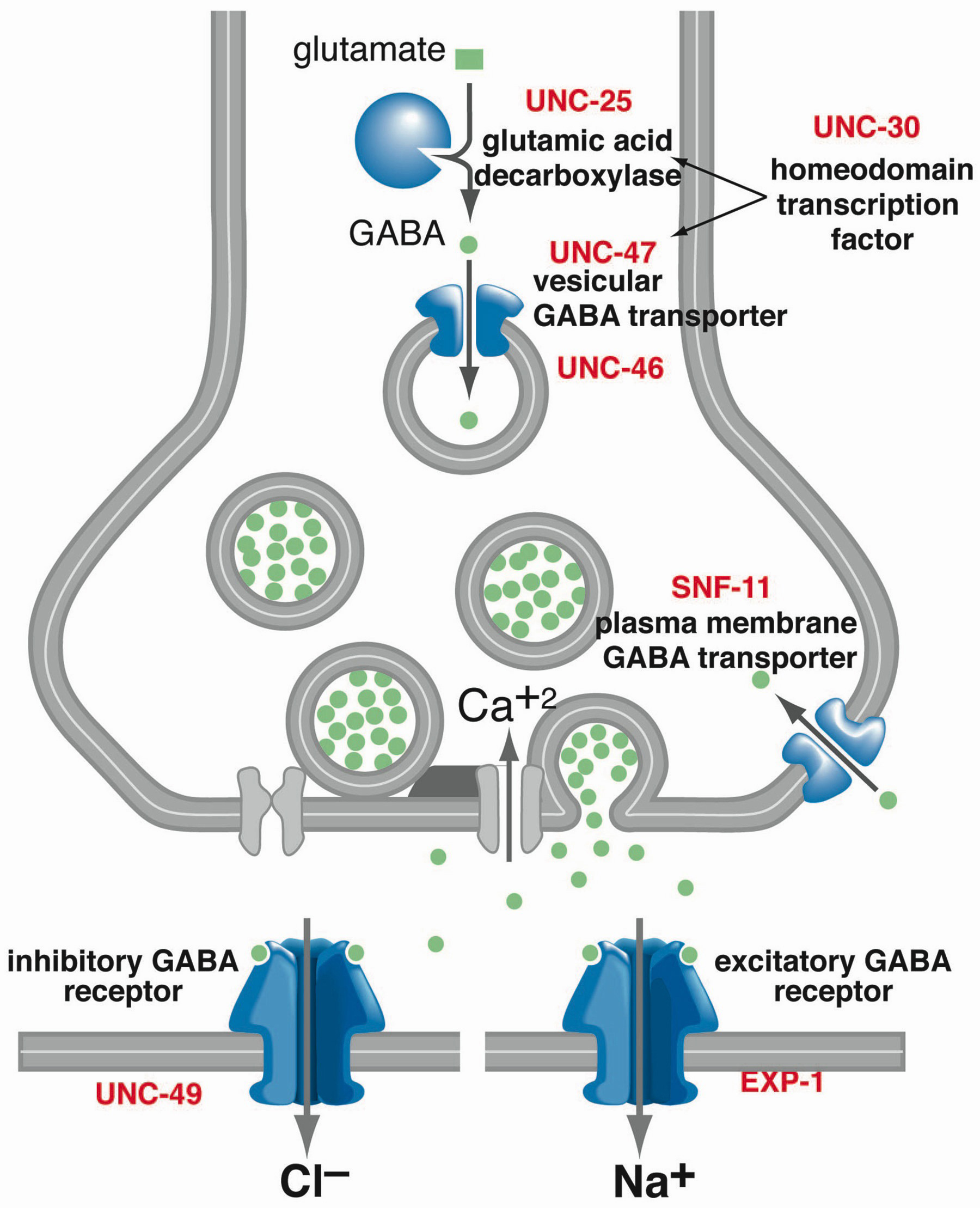
-Spasmolytic agents (muscle relaxants)  work by either enhancing the level of inhibition, or decreasing the level of excitation. Inhibition is enhanced by mimicking the actions of endogenous inhibitory substances, such as gamma-aminobutyric acid (GABA)


Surgery


to release the permanent muscle, tendon, and ligament tightening (contracture) at the joints that is characteristic of longer term spasticity.


Alternative source of acetyl-CoA that is not produced in enough quantities
a high-fat diet including beer


Sources:
1. Wikipedia. (2011, November 17). Anticonvulsant. Retrieved from http://en.wikipedia.org/wiki/Anticonvulsant
2. Johnson, P. A. (2002). Health line. Gale Encyclopedia of Genetic Disorders Part I.  Retrieved from http://www.healthline.com/galecontent/pyruvate-dehydrogenase-complex-deficiency
3. Skeletal muscle relaxant. (2012, January 19). Retrieved from http://en.wikipedia.org/wiki/Muscle_relaxant


Images retrieved from Google Images